Across the rail industry, contract negotiations are more than a discussion about wages. They are a test of how much value is placed on the skilled workforce that keeps trains moving safely every day.
That reality is now front and center on Long Island, where a contract dispute has escalated to the point that a work stoppage is being openly discussed. While details of any single negotiation vary, the underlying issues are familiar. Workers are seeking fair compensation after years without updates to their agreements, while also pushing back against changes that would alter how their jobs are performed.
For those outside the industry, it is easy to view these disputes through the lens of inconvenience. For those inside it, the stakes are much clearer. Work rules, staffing expectations, and maintenance practices are not abstract bargaining points. They directly influence safety outcomes, system reliability, and the long-term health of the railroad.
When proposals are introduced that expand duties, reduce protections, or limit the time available for critical work, they do not just affect employees. They affect the public that depends on that system.
From the Brotherhood of Railroad Signalmen’s perspective, this moment reflects a broader trend. Railroads continue to pursue operational flexibility and cost control, often at the expense of the very workforce that ensures safe operations. At the same time, employees are expected to absorb increasing demand without corresponding recognition or stability.
That broader concern is not unique to one property. Across the commuter and passenger space, similar pressures are emerging as expectations grow while agreements lag.
For Tim Tarrant, BRS Vice President Commuter/Passenger, the situation reflects a pattern playing out across the industry: “What we’re seeing isn’t isolated. Across the industry, there’s a growing disconnect between what is asked of railroad workers and what is provided in return. That gap has real consequences for safety, operations, morale, and long-term reliability.”
The current dispute also raises a more immediate concern about whether the standards that support safe and effective operations will be preserved.
That point was reinforced by BRS General Chairman Michael Sullivan, who noted: “What we’ve been seeking since negotiations began is straightforward and reasonable, essentially maintaining the standards that have allowed this railroad to operate safely and effectively. In contrast, the employer is pursuing concessions that fail to keep pace with the cost of living and risk undermining the workforce that keeps this system running.”
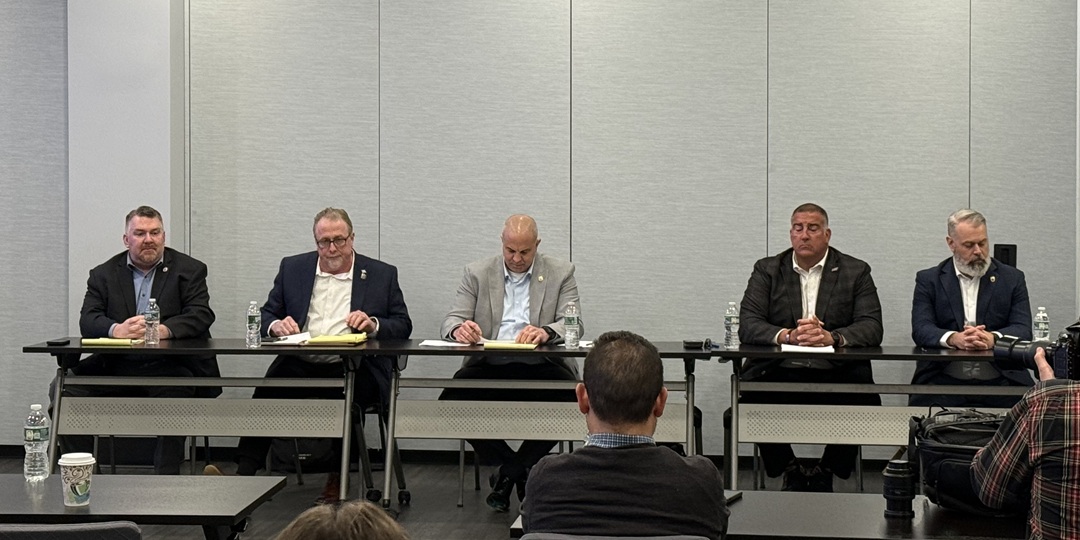
Pictured (left): Long Island Rail Road General Chairman Mike Sullivan
No one benefits from a breakdown in negotiations. Workers do not seek disruption, and communities depend on consistent service. But collective bargaining only works when both parties engage in good faith and recognize the importance of reaching an agreement that reflects the realities of the job.
The outcome of this situation will carry weight beyond a single property. It will speak to how disputes are handled, how recommendations from neutral bodies are treated, and whether rail labor is viewed as a partner in maintaining safety or simply a cost to be managed.
At its core, this is about balance. Railroads require efficiency, but they also require accountability, experience, and human oversight. Those elements cannot be maintained without a workforce that is respected, properly compensated, and given the tools to do the job right.
A resolution is still possible. It will require both sides to return to the fundamentals of collective bargaining and to recognize that the long-term success of any railroad depends on the people who operate and maintain it every day.
###